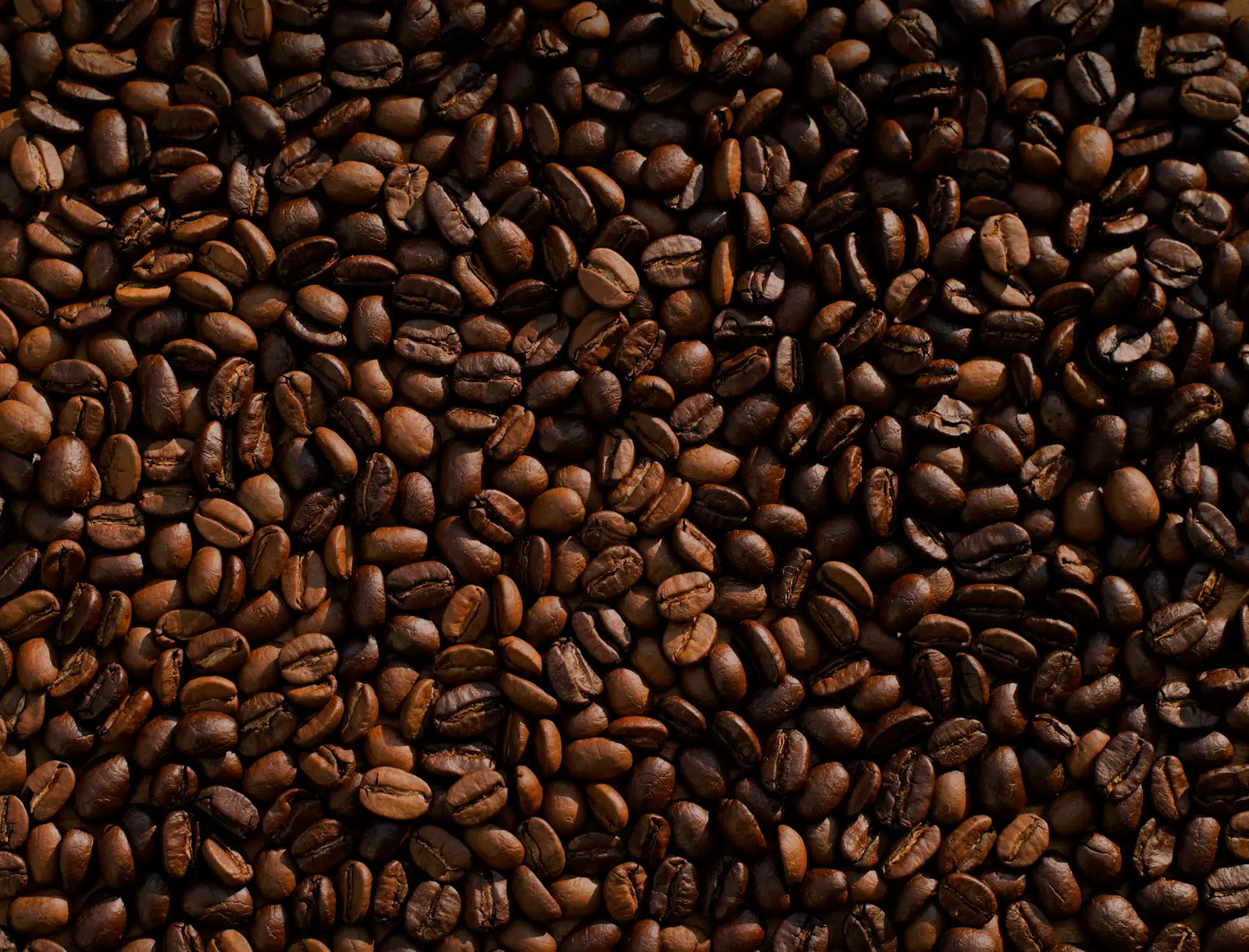
A close macro of dark roasted coffee beans filling the frame
Thursday · 05:40 to dark
one drum.
one pair of ears.
Five kilos at a time on a cast-iron drum built in 1962 and rebuilt in the back of the shop in 2016. Direct flame, one brass lever, an analogue gauge, and nobody copying last week's curve.
- per batch, never more
- 5 kgper batch, never more
- batches, every Thursday
- 11batches, every Thursday
- weight lost in the drum
- 14.6 %weight lost in the drum
- automated profiles
- 0automated profiles
Fictional concept · 35.59 °N — 82.55 °W · Asheville, NC
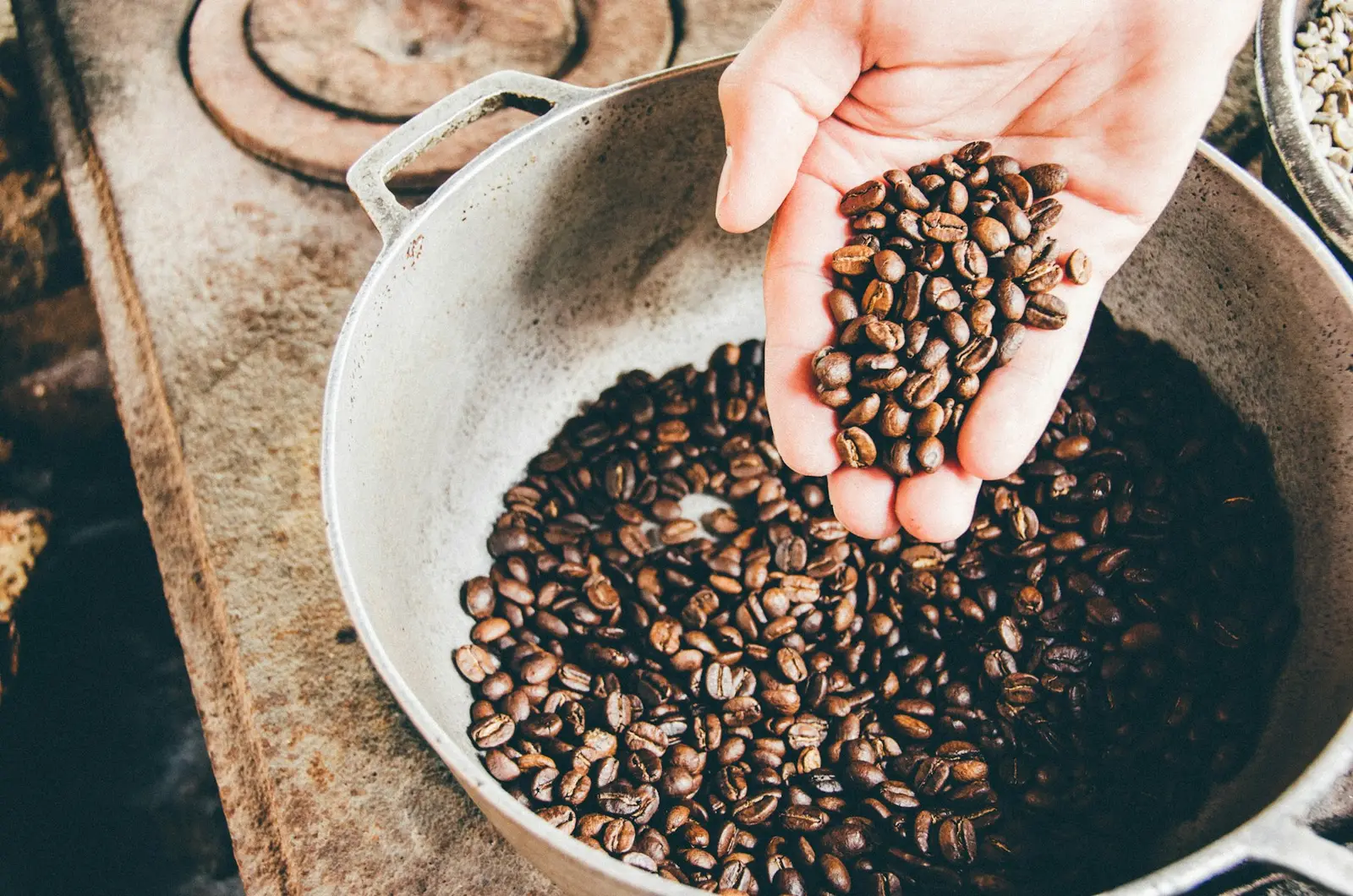
Five kilos · eleven times a day
nobody copies
last week’s curve.
The roaster listens for first crack, pulls the trier, blows the chaff off a handful and decides — and when the smell turns from bread to caramel, the batch drops. Eleven of those between five in the morning and dark, and the last one still gets the same forty seconds of attention as the first.
11 batches14.6 % weight loss0 automated profiles
00:11hatch open to tray turning
eleven seconds
that decide it.
From the moment the hatch opens to the moment the tray is turning, the beans are still cooking on their own heat. Pull late and Ember tastes like Oak & Ash. That is the whole job: eleven seconds, eleven times a day.
Watch it from the bar — the glass wall is right there
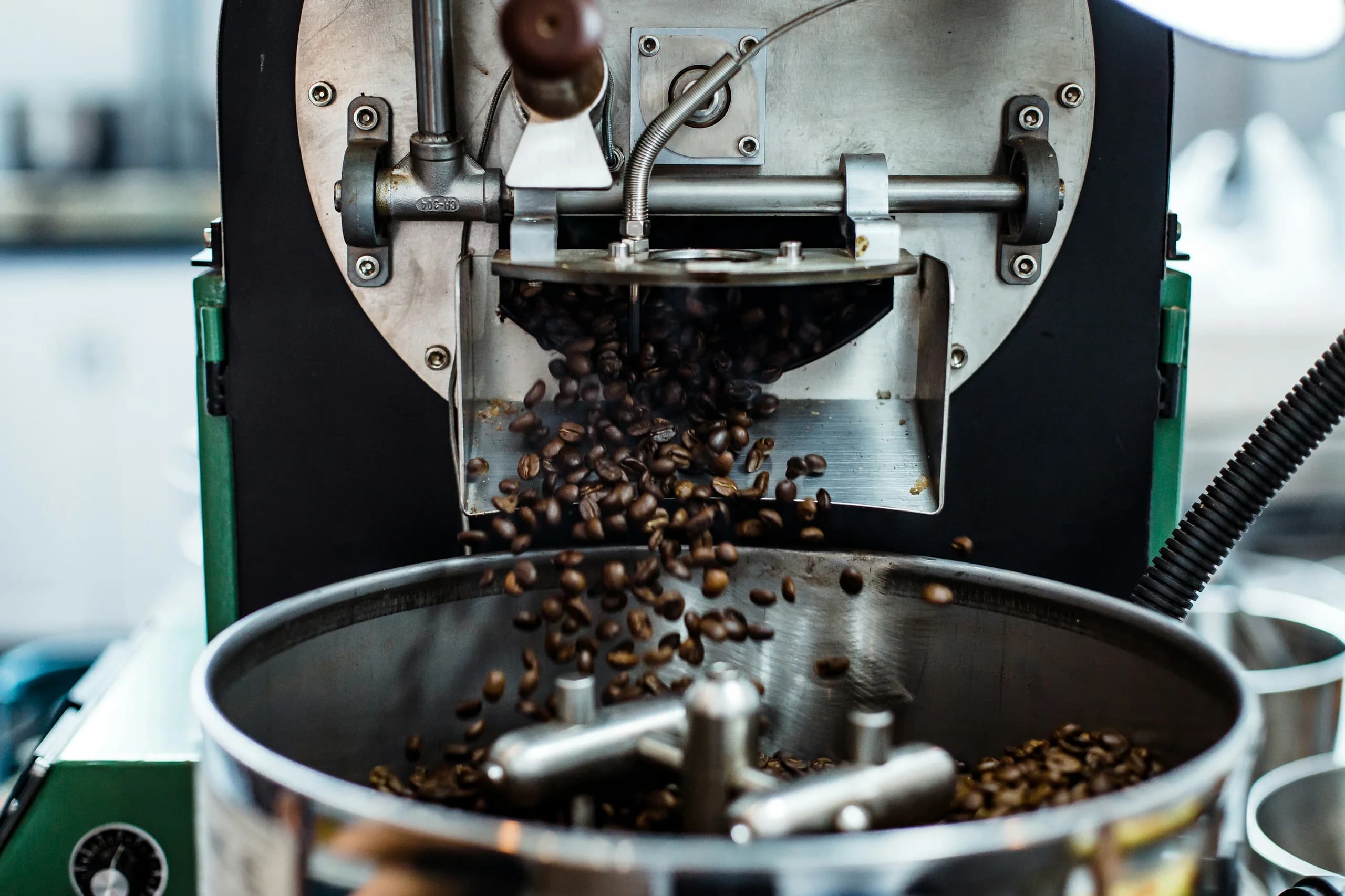
11:58the drop · batch 214
the curve, read out loud
Charge to drop in eleven minutes fifty-eight, of which two minutes forty-six is development — 23 % of the roast, and the part that makes Ember taste like Ember.
00:00
Charge · 196 °C
Five kilos of green into a hot drum. The temperature falls off a cliff and that is meant to happen.
01:20
Turn · 91 °C
The bottom of the dip. From here everything climbs, and how fast is the whole argument.
06:00
Yellow · 166 °C
The colour goes from grass to straw and the smell goes from hay to bread. Airflow opens a quarter turn.
09:12
First crack · 196 °C
Audible across the room. Gas comes down before it starts, not after — that is the part nobody can automate for you.
11:58
Drop · 204 °C
Two minutes forty-six of development, 23 % of the roast. The hatch opens and the tray is already turning.
12:40
Cool, weigh, bag
Down to room temperature in under four minutes. 5 kg in, 4.27 kg out — 14.6 % gone as water and chaff.
Ember · level 3 of 5
5 kg in4.27 kg out14.6 % water and chaff
1962cast iron · five kilos
what we kept,
and what we replaced.
It roasted for a bakery in Winston-Salem, then sat in a barn for nineteen years. What survives is the iron: drum, faceplate, cooling tray. Everything that carries gas or reads a temperature was replaced, because nostalgia is a lovely thing to have in a machine and a terrible thing to have in a burner.
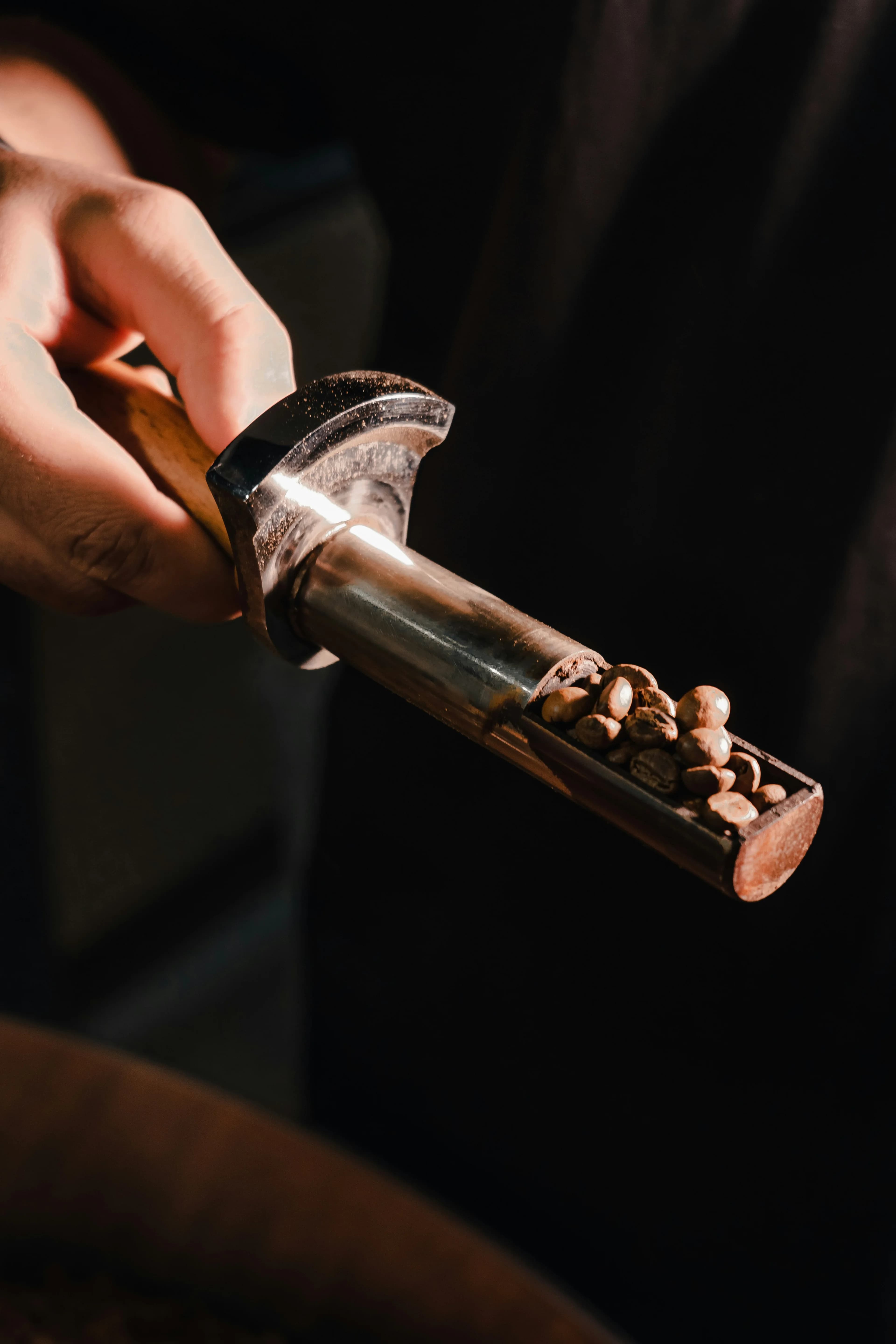
- 1962
Cast-iron drum, five kilos
Built for a bakery in Winston-Salem and left in a barn for nineteen years. The drum, the faceplate and the cooling tray are original; everything that carries gas is not.
- 2016
Rebuilt in the back of the shop
New burner train, new gas train, a bean probe and an environmental probe where there had never been either, and a variable-speed motor so the drum can be turned down for a light roast.
- Direct flame
Three burners, one lever
No hot-air roaster, no profile software driving the gas. The lever is brass, the gauge is analogue, and the person holding both is the profile.
- Out the back
Cyclone and chaff bin
The chaff goes to the community garden two streets over, which takes about nine kilos of it a month and asks for more.
05:40to dark · one day a week
the shape of a Thursday
Fifty-five kilos of green in, forty-seven kilos of roasted coffee out, and one person deciding eleven times when to stop.
- 05:40Fire the drum. It takes fifty minutes to be worth anything.
- 06:20Batch 01 charged — always Ember, always the calibration batch
- 08:00Batch 04. The bar opens; the glass wall earns its keep
- 10:10Batch 07 — the one photographed for this page, batch 214
- 12:30Batch 09. Green swapped over to Oak & Ash for the last three
- 14:40Batch 11 drops. 55 kg green in, 47 kg roasted out
- 15:20Weigh, bag, stamp the roast date, stack Friday’s orders
- Friday 09:00Cup yesterday’s eleven. Anything off the profile is bar coffee, not shelf coffee
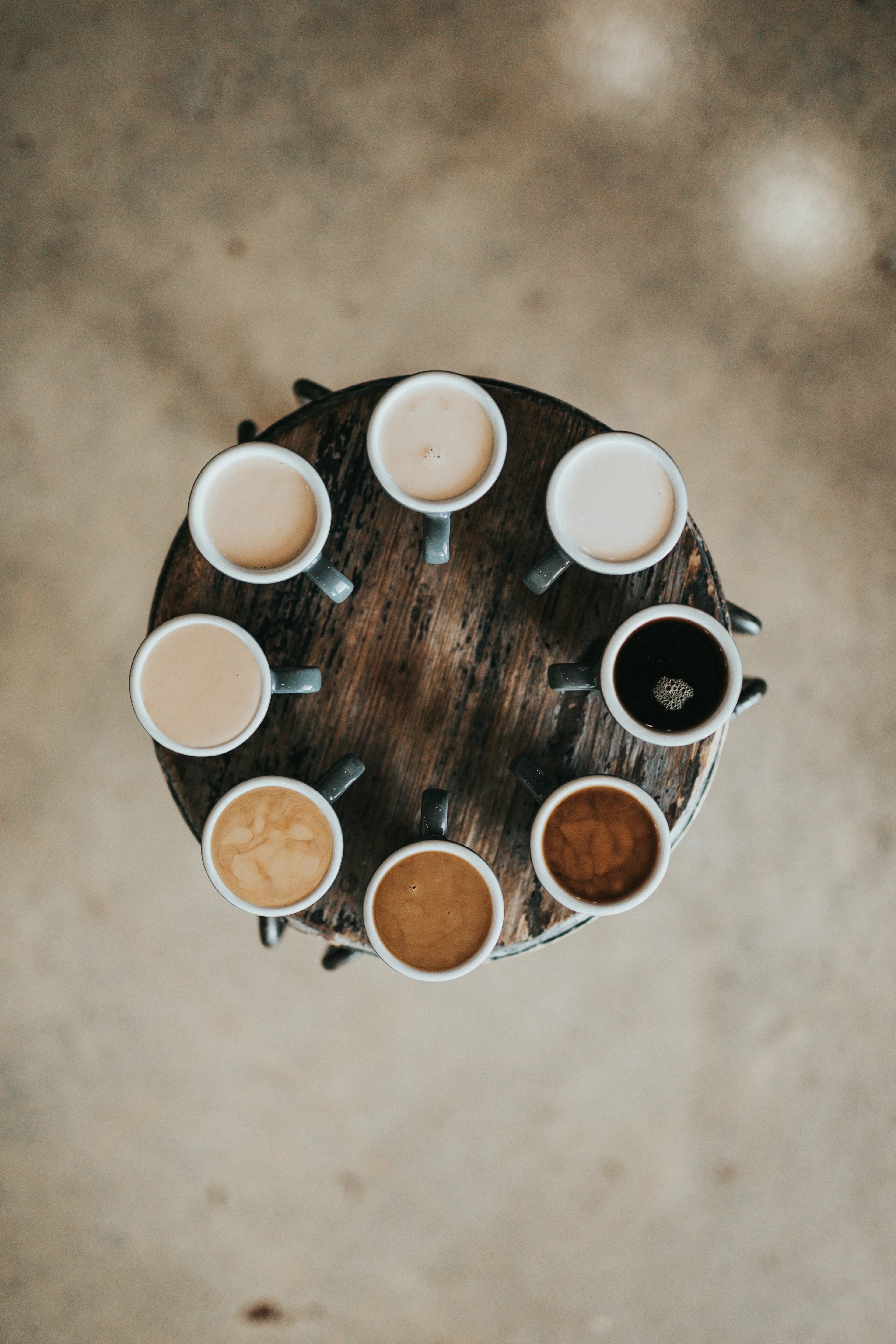
Eight cups of coffee arranged in a ring on a round table, seen from above
Friday 09:00 · eight cups, one table
every batch gets tasted before it ships.
Anything off the profile becomes bar coffee, not shelf coffee. You can sit at that table yourself on a Saturday at ten — six seats, $15, refunded against any bag you take home.